
Cryptocurrencies for Beginners: A Guide to Safe Investing
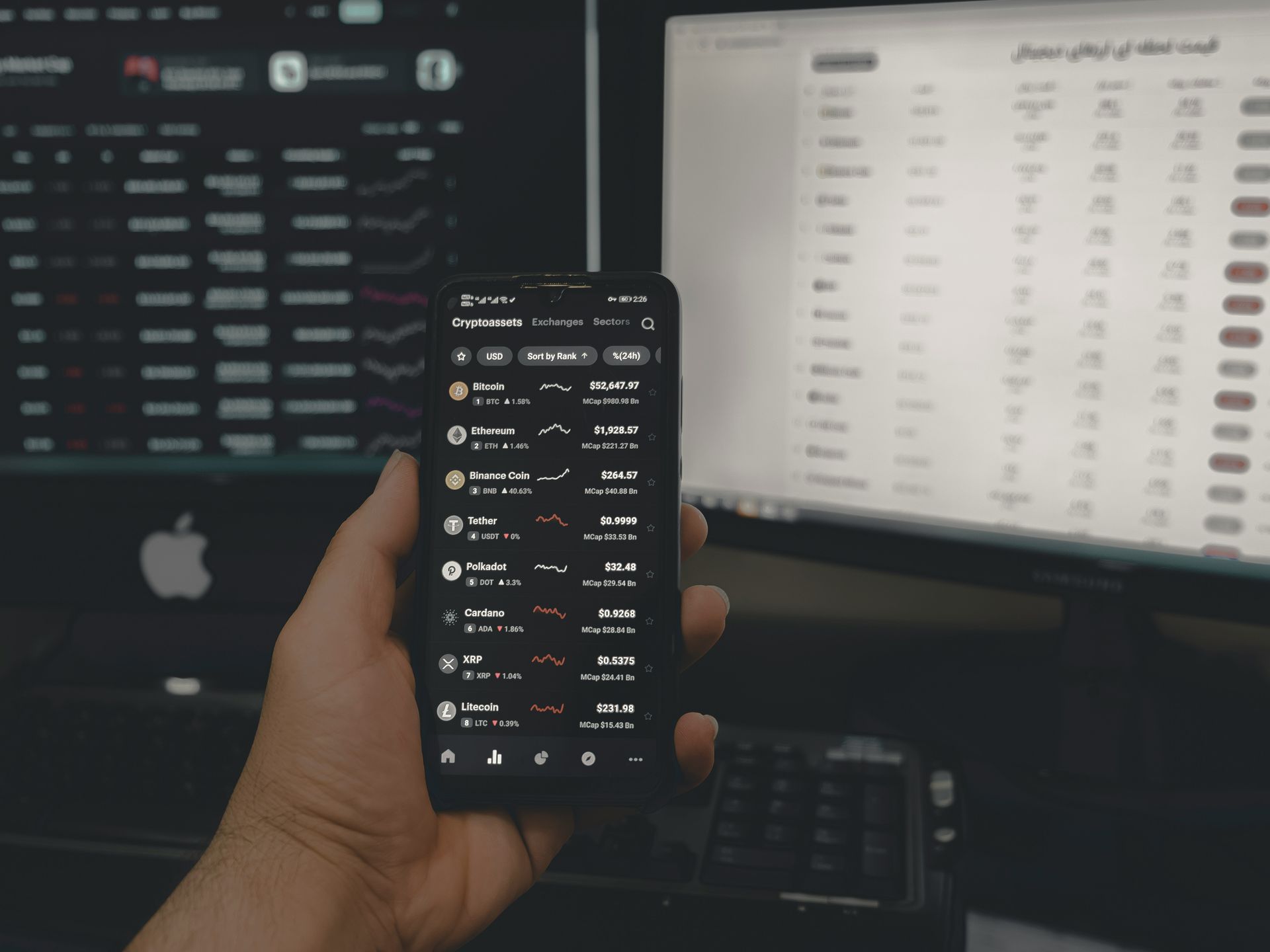
Getting Started with Cryptocurrencies: How to Enter the Crypto World Safely
Cryptocurrencies have become an important financial asset class in recent years—but getting started can feel overwhelming. New terms, new technology, big price swings… it’s a lot.
This guide walks you through the basics so you can enter the world of crypto more safely and understand what to look out for when investing.
What Are Cryptocurrencies?
Cryptocurrencies are digital or virtual currencies secured by cryptography.
Unlike traditional currencies (like euros or dollars), which are issued by governments or central banks, most cryptocurrencies are built on decentralised networks using a technology called blockchain.
A blockchain is:
- A public, digital ledger of transactions
- Distributed across many computers
- Designed to be secure, transparent and tamper-resistant
This technology makes it possible to send value directly from person to person—without a bank or payment provider in the middle.
Some of the Best-Known Cryptocurrencies
Here are a few major players you’ll hear about often:
- Bitcoin (BTC)
- The first and most famous cryptocurrency
- Often referred to as “digital gold”
- Seen by many as a store of value rather than just a payment method
- Ethereum (ETH)
- More than just a currency: it’s a platform for smart contracts
- Smart contracts are self-executing programs that run on the blockchain and power things like DeFi, NFTs and decentralised apps (dApps)
- Binance Coin (BNB)
- The native token of the Binance exchange ecosystem
- Used for trading fee discounts and various functions on the Binance platforms
- Cardano (ADA)
- Focuses on sustainability, security and scalability
- Built on a research-driven, peer-reviewed approach
There are thousands of cryptocurrencies out there—but not all of them are useful, serious, or long-term projects. That’s why research is so important.
How to Invest in Crypto Safely
1. Do Your Homework
Before you put any money in, take time to understand what you’re buying.
Look into:
- What problem does this cryptocurrency or project aim to solve?
- Who is behind it (team, community, backing)?
- How is the technology supposed to work?
- Is there a real use case—or just hype?
Whitepapers, official project sites, independent reviews and reputable educational sources are your friends here.
2. Choose a Reputable Exchange
To buy cryptocurrencies, you’ll usually use a crypto exchange.
When choosing one, look for:
- Strong security features (2FA, withdrawal protections, security audits)
- Good reputation and transparent company background
- Clear fee structure
Well-known exchanges include platforms like Coinbase, Binance or Kraken, among others. Always enable Two-Factor Authentication (2FA) as soon as you create an account.
3. Use Secure Wallets
Once you’ve bought crypto, you need a wallet to store it.
There are several types:
- Hardware wallets
- Physical devices that store your private keys offline
- Considered one of the safest options
- Example: devices like Ledger or Trezor
- Software wallets
- Apps for your computer or smartphone
- More convenient for day-to-day use
- Example: multi-asset wallets such as Exodus or others
- Paper wallets
- Your public and private keys printed or written on paper
- Fully offline, but you must store them very securely
Golden rule:
Whoever controls the private keys, controls the coins.
Never share your seed phrase or private keys with anyone—no support team, no “admin”, nobody.
4. Diversify Your Portfolio
Don’t put all your money into one single coin, no matter how promising it looks.
- Spread your investments across several cryptocurrencies or asset types
- Avoid going “all-in” on a new, highly speculative project
- Remember: higher potential reward usually comes with higher risk
Diversification doesn’t eliminate risk, but it can help reduce the damage if one asset performs badly.
5. Set Clear Goals and Limits
Before investing, ask yourself:
- How much money can I afford to lose without jeopardising my financial stability?
- Bin ich eher langfristig orientiert (HODL) oder möchte ich kurzfristig traden?
- At what point would I take profits?
- At what loss level would I decide to exit?
Write down:
- Your investment amount
- Your risk tolerance
- Your profit targets and maximum loss
Having a plan helps you avoid emotional decisions when prices suddenly surge or crash.
Understand the Risks: Volatility and Hype
Cryptocurrencies are highly volatile. Prices can:
- Rise sharply in a short time
- Drop just as quickly—or faster
This volatility is part of what attracts investors—but it’s also what makes crypto risky.
Keep in mind:
- Only invest money you can afford to lose
- Be sceptical of “guaranteed profits” or “risk-free” schemes—those are major red flags
- Don’t follow every hype or social media trend blindly
Patience, caution and a long-term mindset are usually safer than chasing quick wins.
Final Thoughts: Entering the Crypto World Safely
Getting started with cryptocurrencies can be exciting—and potentially rewarding—if you take a careful, informed approach.
To recap:
- Learn the basics of crypto and blockchain
- Research each project before investing
- Use reputable exchanges and enable strong security measures
- Store your coins in secure wallets
- Diversify your investments
- Invest only what you can afford to lose
- Stay informed about market trends and risks
With preparation and a clear strategy, you’ll be much better equipped to navigate the crypto space and make decisions that fit your goals and risk tolerance.
Good luck—and stay safe out there in the crypto world. 🚀🔐

Join 50,000 happy customers
Experience smart payments with cashback and royal benefits.