
Alltag wird teurer
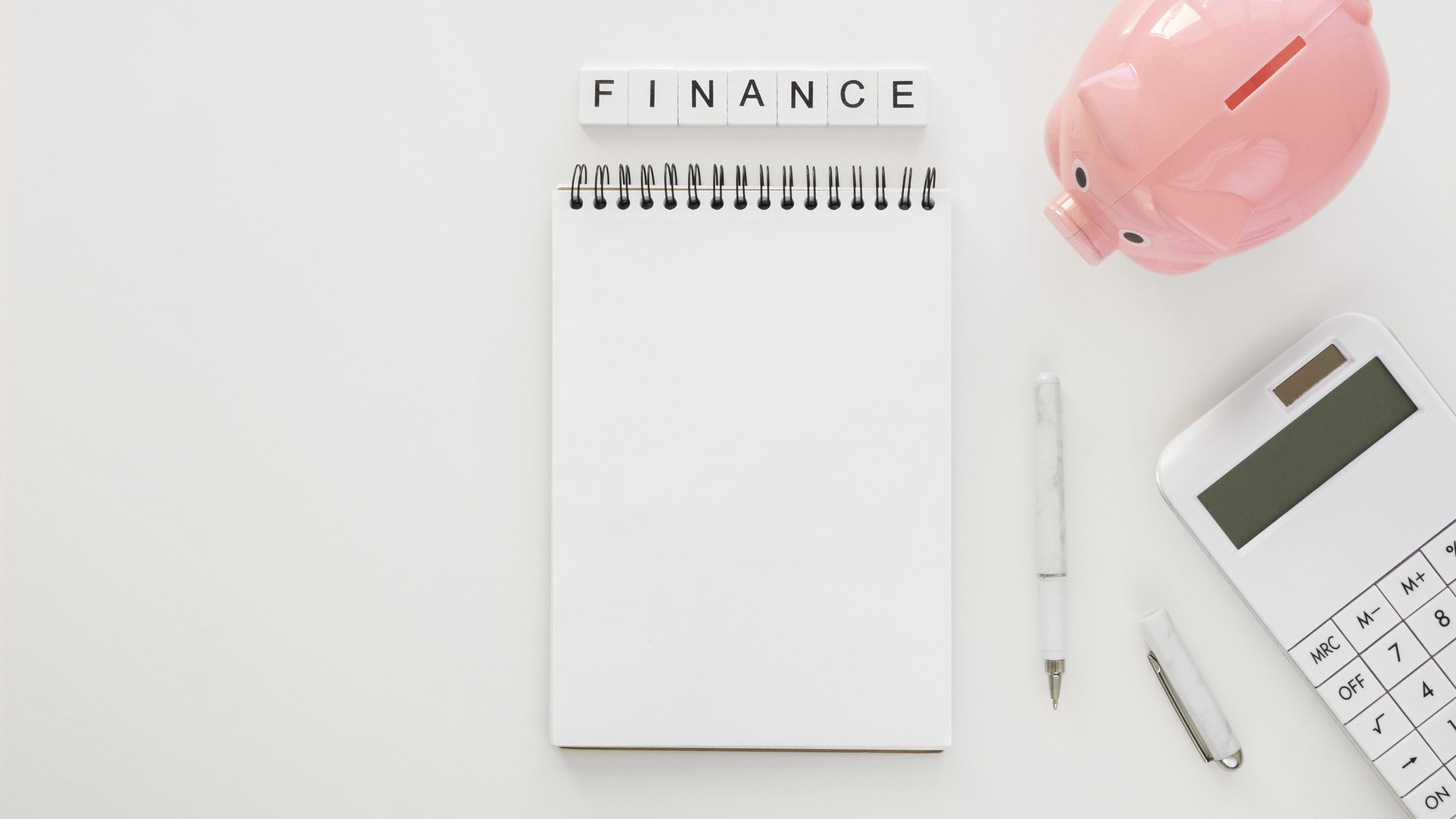
Everyday Life Is Getting More Expensive: How to Save €100–€200 a Month (Without Feeling Deprived)
Prices are rising everywhere — groceries, energy bills, subscriptions, even a quick coffee on the go. And suddenly, your normal weekly shop feels like a luxury purchase. 🥲
When people hear the word saving, they often think of extreme cutbacks:
no fun, no treats, no nights out, no little joys.
But let’s be honest: that kind of “budgeting” doesn’t last.
The good news? Saving €100–€200 a month is completely realistic, and you don’t have to live on plain pasta to do it.
Here are practical budgeting strategies that actually work — especially if you’re on a tight income.
1. The first step: Where is your money actually going?
Before you start cutting anything, do this instead:
📌 Track your spending for just one week.
Not perfectly. Not with spreadsheets. Just write down rough categories like:
- takeaway food / coffee
- supermarket
- snacks on the go
- Amazon or random online purchases
- pharmacy/drugstore essentials
- subscriptions
- transport
Most people are shocked by how much money disappears into “small things”.
Because small things aren’t small when they happen every day.
A few euros here, a few euros there… and suddenly you’ve spent €150+ without buying anything major.
2. Weekly budgeting beats monthly budgeting (every time)
Monthly budgets sound logical, but psychologically they’re a trap.
At the start of the month you think:
“I’ve got loads of time.”
And at the end of the month you’re thinking:
“How am I already broke again?”
That’s why weekly budgeting is a game changer.
Example:
If you want to spend €200 a month on food and everyday expenses, that means:
➡️ €50 per week
And suddenly your spending becomes real.
If you spend €30 on Monday, you instantly see how tight the rest of the week becomes.
Weekly budgets don’t create stress — they create awareness.
Potential savings: €20–€50/month (just by avoiding mindless spending)
3. Meal prep vs impulse spending: the biggest everyday money leak
Food is one of the easiest areas to save money — not because you should eat less, but because spontaneous food decisions are expensive.
The classic trap:
- “I’ll just grab something from the bakery” → €6
- “I can’t be bothered to cook” → takeaway €18
- “I’ll quickly pop into the supermarket” → €25 (and still nothing useful at home)
And the problem is: this doesn’t happen once.
It happens several times a week.
Meal prep doesn’t have to be fancy
Meal prep doesn’t mean spending Sunday filling 12 identical plastic containers like a fitness influencer.
Meal prep simply means:
✅ Having food at home that you actually want to eat.
Simple meals work best:
- pasta with tomato sauce and vegetables
- chilli (with or without meat)
- rice with stir-fried veg
- wraps with salad and leftovers
- oven-baked vegetables with feta
One cooking session can easily cover 2–3 meals — and suddenly the temptation to order food drops massively.
Potential savings: €50–€150/month
4. Subscription detox: the easiest money win
This is probably the easiest saving strategy because once it’s done… it’s done.
Most people are paying for subscriptions they barely use:
- streaming services (Netflix, Prime, Disney+ all at once)
- music subscriptions
- gym memberships
- app subscriptions
- cloud storage
- delivery “premium” memberships
- magazines or digital news subscriptions
A simple rule:
👉 If you haven’t used it in the last 30 days, cancel it.
Or pause it.
You can always re-subscribe later — but most people never do.
And even if you do, you’ll be paying for it when you actually want it.
Potential savings: €30–€100/month
5. The 50/30/20 rule — but realistic for smaller incomes
The classic budgeting rule is:
- 50% needs (rent, food, bills)
- 30% wants (fun, subscriptions, lifestyle)
- 20% savings or debt repayment
Sounds great — but for many people, rent alone takes half their income.
So don’t feel guilty if this doesn’t fit your reality.
A better version for tight budgets:
Try something like:
60/25/15
or even
70/20/10
The point isn’t perfection.
The point is structure.
Because without a structure, what happens?
You “save whatever’s left at the end of the month”…
…and there’s never anything left.
The most powerful trick:
Save at the start of the month, not the end.
Even if it’s only €25.
It’s not about the amount — it’s about the habit.
Potential savings: €20–€80/month
6. How to stop impulse spending without banning everything
You don’t have to stop shopping completely.
You just have to stop buying things automatically.
The best rule:
👉 The 24-hour rule for anything over €20.
Put it in your basket.
Walk away.
Sleep on it.
If you still want it tomorrow, fine.
But in most cases? You won’t.
And that’s not “being strict” — that’s protecting yourself from marketing and mood-based spending.
Potential savings: €20–€100/month
The realistic conclusion: Saving €100–€200 a month is possible
If you combine a few of these strategies, your savings can look like this:
✅ weekly budgeting → €20–€50
✅ meal prep & fewer impulse food buys → €50–€150
✅ subscription detox → €30–€100
✅ fewer impulse purchases → €20–€70
➡️ Add that up and you can easily reach €100–€200 a month — without feeling like you’re giving up your whole life.
Because the goal isn’t to be miserable.
The goal is to stop money leaking out in ways you don’t even notice.
A 7-Day Challenge: Start Saving This Week
If you want to take action immediately, try this:
Day 1: Check your subscriptions and cancel at least one
Day 2: Set your weekly budget
Day 3: Write a proper shopping list
Day 4: Cook one meal that lasts 2–3 days
Day 5: No impulse purchases (try the 24-hour rule)
Day 6: Eat at home instead of ordering food
Day 7: Look at what you saved — and celebrate it 😄

Join 50,000 happy customers
Experience smart payments with cashback and royal benefits.